

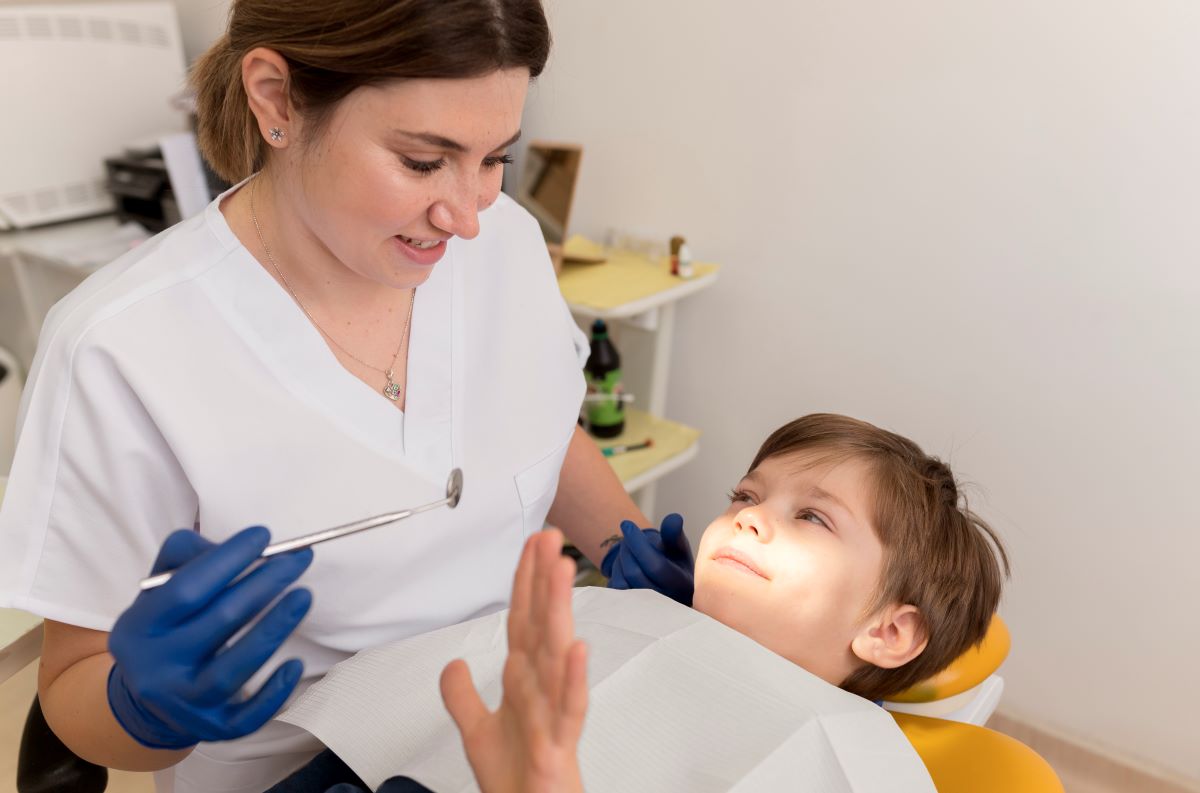
As a parent, you know that kids are always growing, and their mouths change fast. Finding a trusted dentist in Dearborn is usually the first step to making sure those new teeth are coming in the right way.
While many parents wait for a regular check-up, some problems need a much faster visit to stop pain or damage. Knowing the difference between a loose baby tooth and a real problem can save your child a lot of pain.
By watching for small changes, you can protect their smile and help them feel good about going to the dentist.
Sign 1: Tooth Pain That Won’t Go Away
One of the clearest signs to get help is when a child says their tooth hurts and it doesn’t stop.
If you are looking for a children’s dentist near you, it is likely because your little one is having a hard time eating or sleeping. Tooth pain in kids is rarely “nothing.”
It often means there is a deep cavity or an infection near the root. Since baby teeth have thin enamel, decay can move very fast. Fixing the ache early often means a simple filling instead of a bigger, scarier treatment.
Sign 2: Gums That are Swollen or Bleeding
Healthy gums should be pink and firm, not red or puffy. If you see blood on their toothbrush, it is a big sign that your children’s dental health needs a check from a professional.
Swelling can happen if food is stuck under the gum, or it could be the start of an infection:
- Bright Redness: Gums that look very red are often fighting off germs.
- Ouchy Brushing: If your child pulls away when you brush, their gums might be sore.
- Bad Breath: If their breath stays bad even after brushing, it could be a gum problem.
- Little Bumps: A small bump on the gums that looks like a pimple is a sign of a serious infection.
Sign 3: New Spots or Colours on the Teeth
If you see spots on your child’s teeth that won’t brush off, you should see a dentist near you to have them checked. White, chalky spots are usually the first sign of weak enamel. Brown or black spots often mean a cavity is already there.
If a tooth turns grey or purple after a fall, it means the tooth was hurt inside. Catching these colour changes early lets the expert fix the tooth before the problem reaches the adult teeth growing underneath.
Sign 4: Pain When Eating Hot or Cold Food
If your child suddenly stops wanting cold treats or says their warm soup hurts, don’t ignore it.
This happens when the outside of the tooth gets thin, and the nerves inside feel the temperature. It can be caused by a tiny crack, a deep hole, or even grinding their teeth at night.
A quick exam can find why it hurts and provide an easy fix, like a special coating, to keep them comfortable.
Sign 5: A Broken Tooth or a Hit to the Mouth
Accidents happen fast when kids are playing or running. If your child chips a tooth or knocks one loose, a dentist in Dearborn Heights can help fix the smile quickly. Even if it is a baby tooth, an injury can change how the adult teeth come in later.
Experts can check for hidden cracks and make sure everything is healing right. Acting fast after a bump usually makes the fix much easier and less scary for your child.
How Children’s Teeth Differ from Adult Teeth
| Feature | Baby Teeth (Primary) | Adult Teeth (Permanent) |
| Enamel Thickness | Very thin and fragile | Thick and strong |
| Nerve Size | Large compared to tooth size | Smaller compared to tooth size |
| Color | Usually very white | Naturally more off-white |
| Root Length | Short (designed to fall out) | Long and deep in the bone |
| Decay Speed | Moves very quickly | Moves more slowly |
Why Seeing a Professional Right Away Helps
Taking your child to a specialist at the first sign of trouble keeps small issues from becoming big, painful ones.
A kids’ dentist knows exactly how a child’s jaw grows and can tell if a current problem will affect their future teeth.
By going to the clinic right away, you help your child stay out of pain and save money on bigger repairs later. It also shows your child that the dentist is someone who helps them feel better.
How to Help Your Child Feel Brave
- Be Happy: Talk about the visit as a way to “help their tooth feel better,” so they aren’t scared.
- Bring a Toy: Let them hold a favourite stuffed animal to help them feel safe in the chair.
- Explain the Tools: A good team will show the child the “tooth mirror” and “water sprayer” first.
- Plan a Treat: A trip to the park after the visit helps them have a happy memory of the day.
Frequently Asked Questions
Is it okay to ignore a cavity in a baby tooth?
No, because an infection in a baby tooth can move down and hurt the adult tooth waiting below it.
What if my child knocks out a grown-up tooth?
Pick it up by the top, put it in a cup of milk, and get to a dentist within an hour to try and save it.
Can thumb sucking be an emergency?
It isn’t an “emergency,” but it can change the shape of their mouth, so you should talk to a dentist about it.
How can I help with a toothache at home?
Rinsing with warm salt water and putting a cold pack on their cheek can help until you can reach the office.