

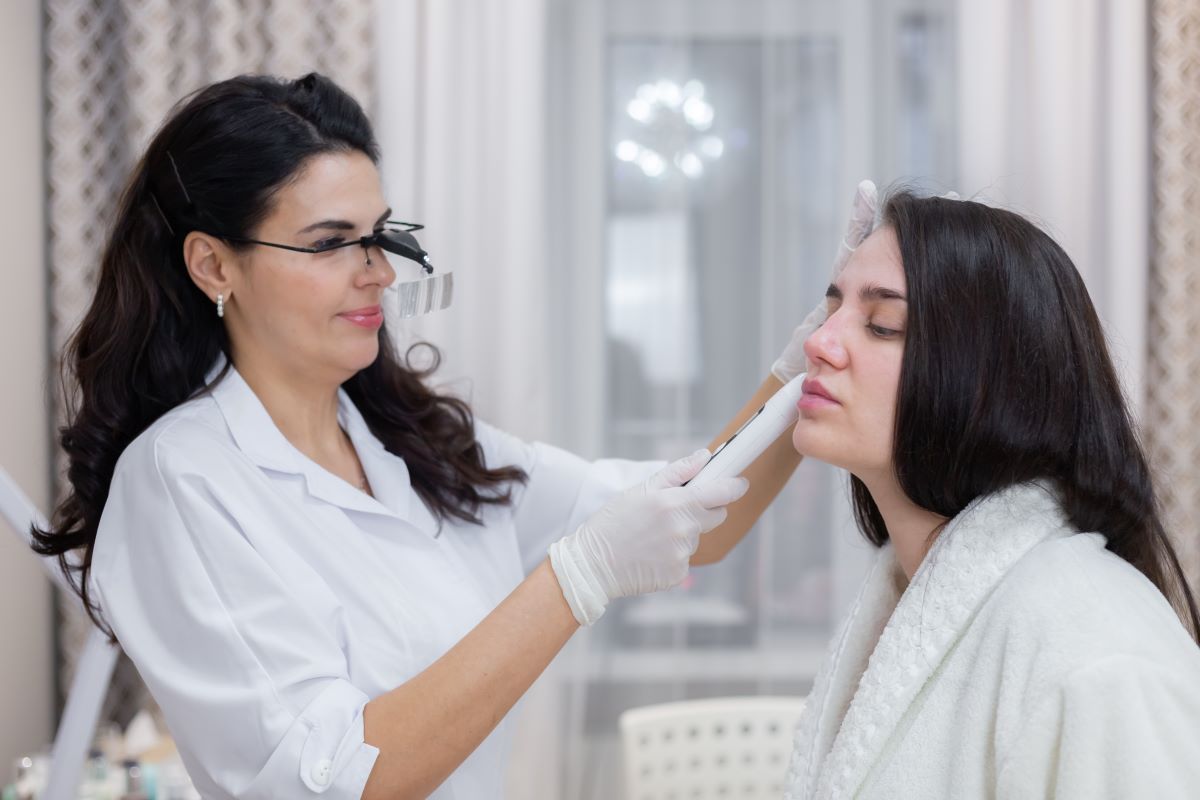
Botox has grown beyond a cosmetic treatment and is now widely used in medical care. It is a purified protein made from the bacterium Clostridium botulinum.
When used in safe, controlled doses, Botox relaxes muscles by blocking the action of acetylcholine, the chemical that causes muscle contraction.
For anyone looking for Botox near you, it’s important to understand that the treatment supports both appearance and function. By temporarily relaxing targeted muscles, Botox can reduce wrinkles and help relieve ongoing muscle-related discomfort.
The Biological Mechanism of Neurotoxins
The effectiveness of Botox lies in its ability to interrupt communication at the neuromuscular junction.
When a dentist in Dearborn administers the injection, the protein binds to nerve endings, preventing them from signalling the muscle to move. This targeted approach ensures that only the specific muscle causing the issue is affected, leaving surrounding areas functional.
- Synaptic Blockage – By inhibiting acetylcholine, Botox prevents the “firing” of the muscle fibres.
- Precision and Control – Modern tools helps micro-dosing, ensuring a natural range of motion while reducing hyperactivity.
- Reversible Effects – The body regenerates new nerve connections, meaning the nerve-blocking effect is entirely temporary and safe.
- Systemic Safety – Because it is injected locally and binds quickly to the target site, it does not circulate throughout the rest of the body in therapeutic doses.
How Long Does Botox Last?
Patients often want to know exactly what to expect regarding the duration of their results. When asking, “How long does Botox last?”, the answer typically falls within a consistent medical window, though individual metabolism plays a minor role.
- Early Signs – You may notice a slight change in muscle tension within 48 to 72 hours.
- Full Clinical Outcome – The maximum effect is usually reached between 10 and 14 days post-injection.
- Standard Duration – Most treatments remain effective for 3 to 4 months, at which point the muscle gradually regains its strength.
- Cumulative Benefits – With regular maintenance, some patients find that their muscles “learn” to relax, potentially extending the time between visits.
At What Age Should You Get Botox?
The decision of when to start treatment is a personal one, but the medical community offers clear guidance based on skin health.
While considering at what age you should get Botox, the goal is often to treat “dynamic” lines before they become “static” or permanent:
- Preventative (20s-30s) – Starting in the late 20s can prevent deep creases from etching into the skin by relaxing the muscles used in repetitive expressions.
- Corrective (40s+) – For those with established lines, Botox helps soften the appearance of the skin and prevents existing wrinkles from deepening.
- Therapeutic Need – For medical issues such as jaw pain, treatment is appropriate at any age once symptoms begin to interfere with daily life.
- Skin Quality – Your provider will look at your skin elasticity and muscle strength rather than your age to determine if you are a good candidate.
Therapeutic Dental Applications of Botox
A dentist near you is qualified to provide Botox due to their extensive training in facial anatomy and the complex musculature of the head and neck. In a dental setting, these injections are frequently used to treat functional disorders that affect the jaw and bite.
- TMJ and TMD Relief – By relaxing the masseter and temporalis muscles, Botox can significantly reduce the jaw pain and tension associated with joint disorders.
- Bruxism Management – It helps decrease the intensity of teeth grinding and clenching, protecting your natural teeth and dental work from excessive wear.
- Gummy Smile Correction – Small amounts of Botox can relax the upper lip, creating a more balanced smile without the need for invasive gum surgery.
- Headache Suppression – For many, dental-related tension leads to chronic headaches; relaxing the jaw muscles can provide long-term relief from these triggers.
Expert Care for a Fresh Appearance
Understanding Botox will help you make confident choices about your health and appearance. When done by a trained professional, results can look natural and feel comfortable.
Whether you’re seeking relief from jaw pain or smoother lines, the right care matters. At Royal Dentistry, we provide safe, personalised Botox treatments focused on comfort and results.
Contact us today to book a consultation and learn more.
Frequently Asked Questions
Is Botox safe for long-term use?
Yes, clinical studies have shown that Botox is safe for long-term therapeutic and cosmetic use when administered by a licensed professional.
Will I lose feeling in my face?
No, Botox only affects the motor nerves that control muscle movement, not the sensory nerves that allow you to feel touch, temperature, or pain.
Can I go back to work immediately after the injections?
Yes, there is virtually no downtime; most patients return to their normal activities right away, though you should avoid rubbing the area for 24 hours.
Does Botox work on all types of wrinkles?
It is most effective on “dynamic” wrinkles caused by muscle movement, like crow’s feet; wrinkles caused by sun damage or gravity may require different treatments.